πΉ 100% Pure Rose Petal Topper
1 Scoop – Approx. 1 Cup / 20g
Antioxidant • Appetite • Enrichment • Botanical Variety
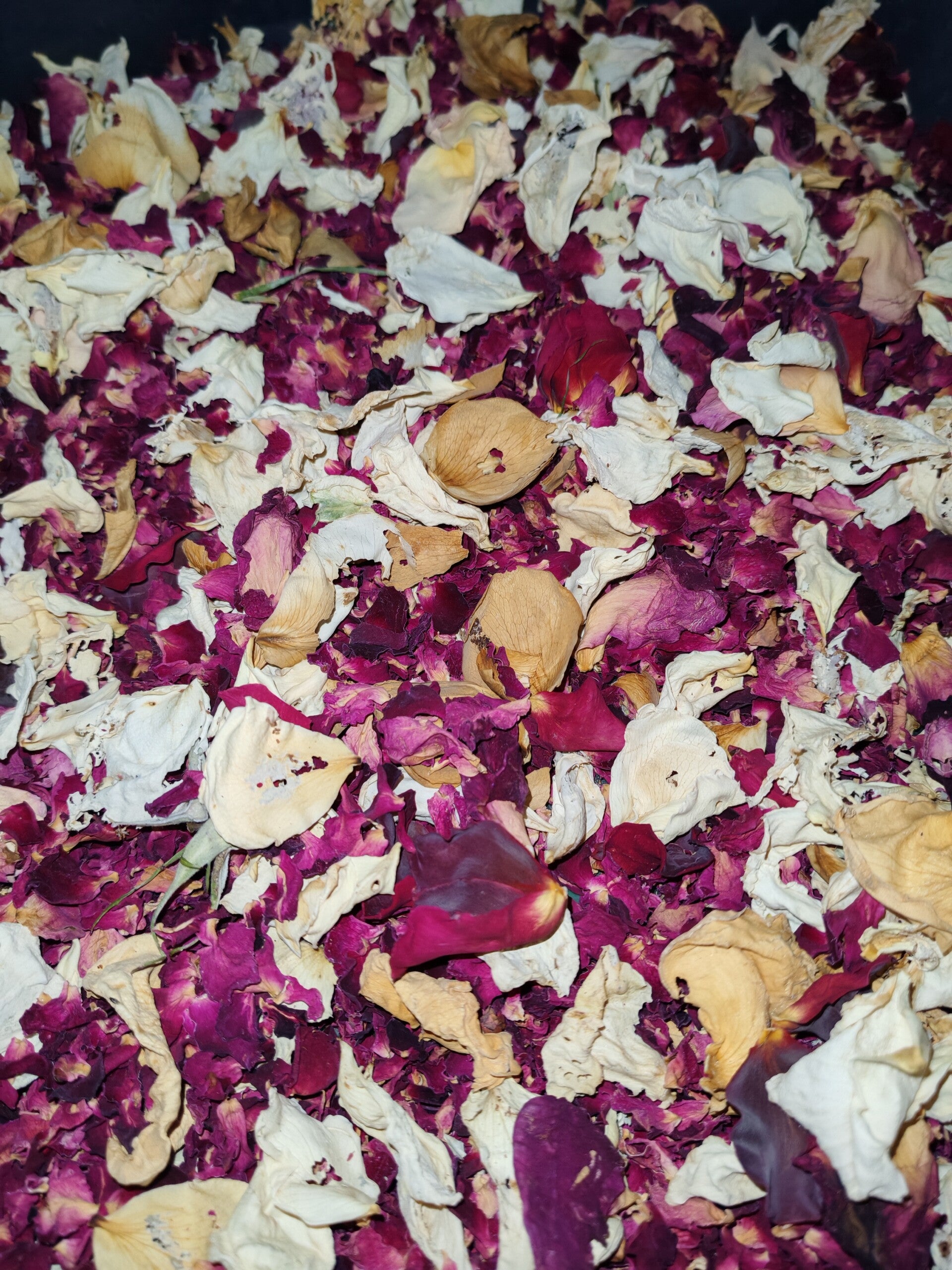
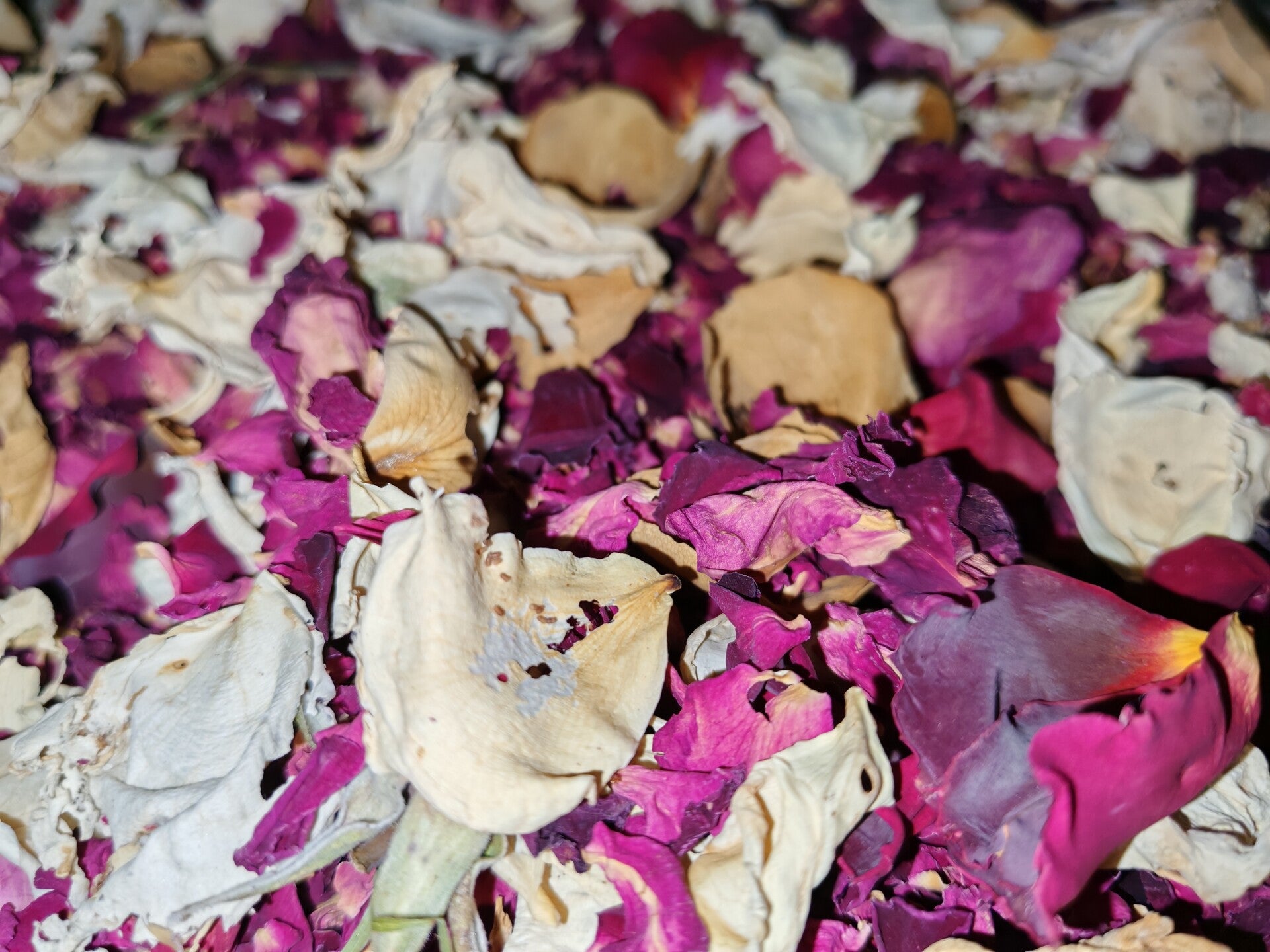
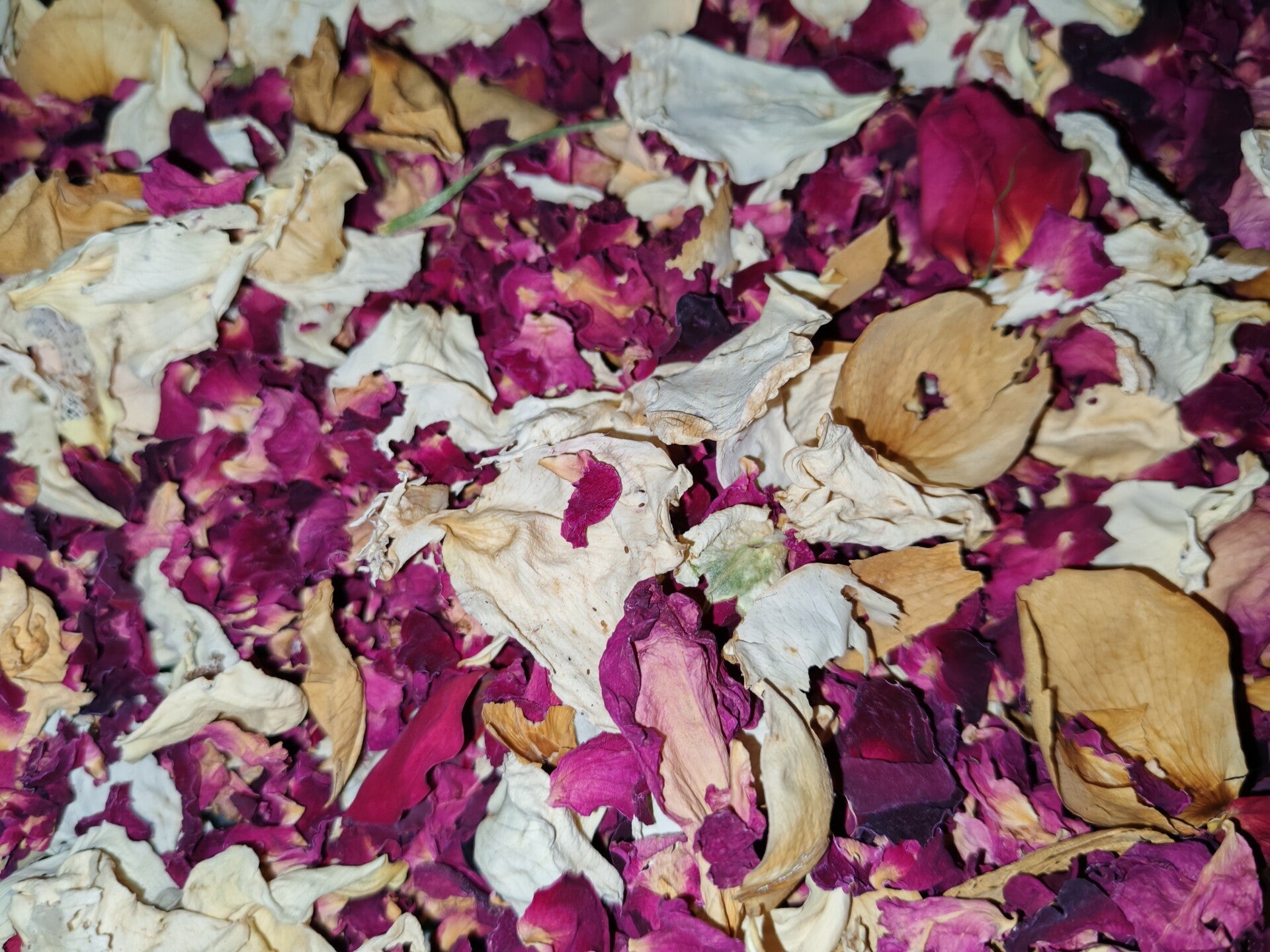
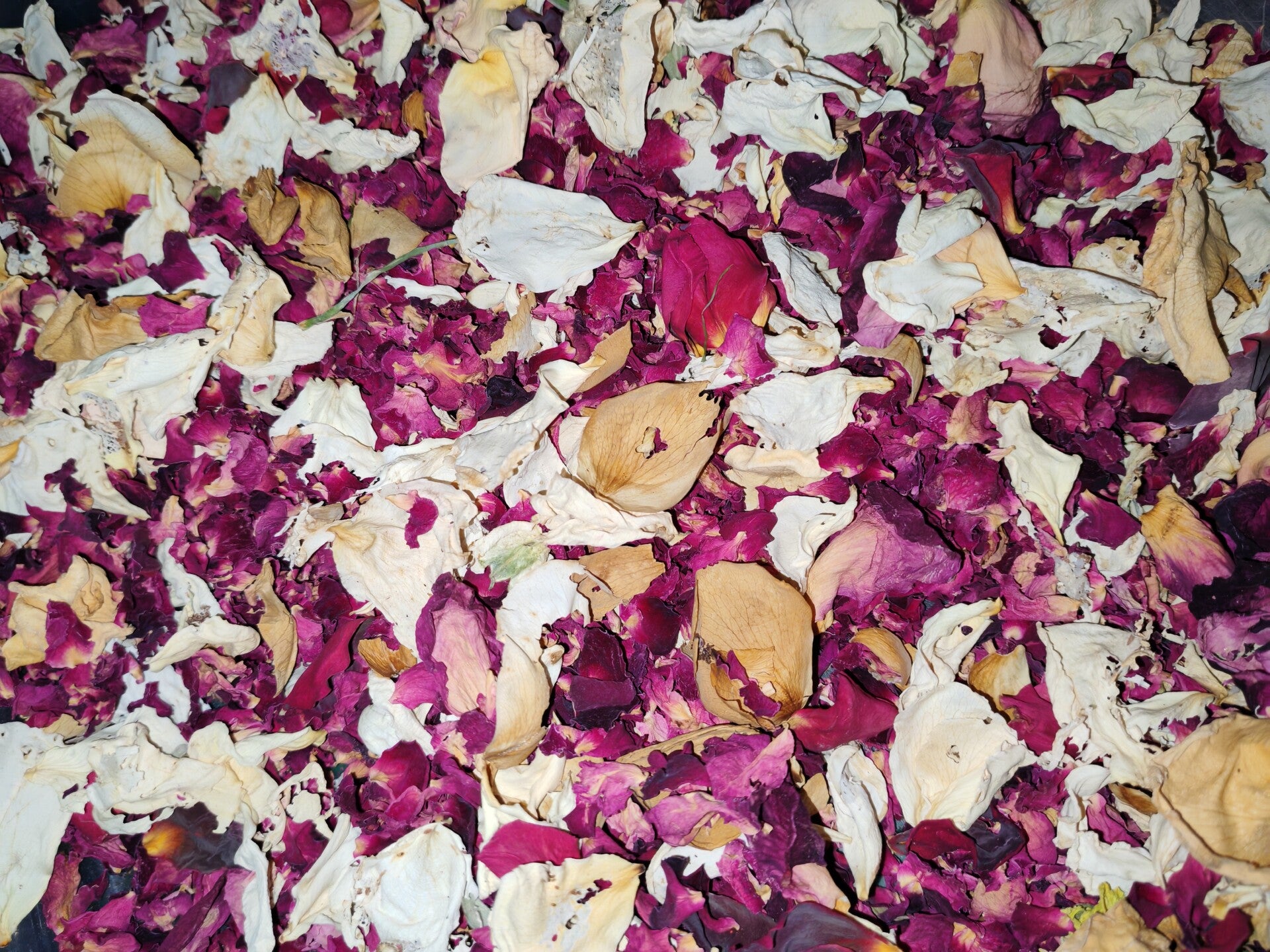
A beautifully simple botanical topper made from 100% dried rose petals.
Naturally aromatic, colourful and packed with beneficial plant compounds, rose petals are a lovely way to add variety to your animal's usual hay, forage or enrichment without reaching for sugary treats.
Their different scent, texture and colour encourage natural investigation and food-searching behaviour, making them especially useful for adding interest to familiar foods or creating your own personalised forage mixes.
Use them alone, sprinkle them through hay or combine them with other suitable herbs and leaves.
No fillers. No added sugar. No flavourings. Just 100% rose petals.
πΏ Ingredient & Natural Benefits
πΉ Rose Petals – 100%
Rose petals naturally contain polyphenols, flavonoids and other antioxidant plant compounds, making them far more than simply something pretty to scatter over forage.
πΏ Antioxidant Support
Naturally occurring phenolic compounds and flavonoids provide botanical antioxidant variety as part of a balanced diet.
π½οΈ Appetite & Interest
Their distinctive floral aroma and texture can help make familiar hay and forage more interesting, particularly for animals that enjoy variety.
πΈ Natural Enrichment
Different scents, colours and textures encourage sniffing, searching, selecting and other natural foraging behaviours.
π± Botanical Variety
Pure rose petals allow you to increase plant diversity without introducing grains, sugary fruits or unnecessary fillers.
πΏ GGT Functional Categories
Primary
β Antioxidant
β Appetite
Additional Benefits
β Enrichment
β Botanical Variety
πΎ Suitable For
πΉ Guinea Pigs
Rose petals provide aromatic botanical variety alongside a fibre-led diet and are perfect for scattering through hay to encourage natural foraging and exploration.
π° Rabbits
A lovely floral addition to a varied forage rotation, offering different scents and textures while encouraging natural browsing behaviour.
π Chinchillas
A small amount provides botanical and sensory enrichment without relying on fruit or sugary treats.
π Degus
Suitable in small quantities as a naturally low-sugar floral topper, adding variety and enrichment to a forage-led diet.
πΉ Hamsters
Rose petals work particularly well as scatter forage, encouraging natural food searching and investigation throughout the enclosure.
π Gerbils
The lightweight petals can be scattered through bedding and forage areas, adding scent, texture and natural enrichment.
π Rats
Adds botanical variety and creates another interesting ingredient to investigate during scatter feeding and enrichment.
π Mice
A small sprinkle provides plenty of scent and texture for natural exploration and food-searching behaviour.
πΏ Chipmunks
Can be offered occasionally as part of a varied botanical enrichment mix.
π¦ Parakeets
Small quantities of edible rose petals can add colour, texture and botanical variety to suitable forage trays and fresh foods.
π’ Herbivorous Tortoises
Can be offered as an occasional floral addition alongside an appropriate variety of fresh weeds and leafy plants.
π¦ Green Iguanas
A light scatter over fresh leafy greens provides extra botanical diversity and encourages interest in their normal plant-based foods.
π₯ Feeding Instructions
Guinea Pigs: 1–2 teaspoons per animal, 2–4 times per week, scattered through hay or mixed forage.
Rabbits: 1–2 tablespoons depending on size, 2–4 times per week, scattered through hay or forage.
Chinchillas: Small pinch, 1–2 times per week.
Degus: Small pinch, 1–2 times per week.
Hamsters: Small pinch, 1–2 times per week, preferably scattered around the enclosure.
Gerbils: Small pinch, 1–2 times per week, scattered through bedding or forage areas.
Rats: 1–2 teaspoons, 1–2 times per week, offered as scatter forage or mixed with enrichment.
Mice: Tiny pinch, 1–2 times per week.
Chipmunks: Small pinch, 1–2 times per week.
Parakeets: Light sprinkle, 1–2 times per week, added to a forage tray or suitable fresh foods.
Tortoises: Small sprinkle over suitable weeds and leafy foods, 1–2 times per week.
Green Iguanas: Small sprinkle mixed through fresh leafy greens, 1–2 times per week.
Introduce new botanicals gradually and feed alongside a balanced, species-appropriate diet.
For hay-dependent species, unlimited good-quality hay and fresh drinking water should always remain available.
πΉ Ways To Use Your Rose Petals
πΉ Sprinkle through hay to encourage foraging.
πΉ Add to an existing forage blend.
πΉ Scatter through forage trays and enrichment areas.
πΉ Mix with suitable leaves and flowers to create your own botanical blend.
πΉ Use a small amount to make everyday hay more interesting.
πΉ Combine with other GGT pure toppers to tailor forage to your animal.
Because this product contains one ingredient only, you know exactly what you're feeding and can control how much goes into your animal's diet.
π¦ Size
1 generous scoop – approximately 1 cup
Estimated weight: approximately 20g
Rose petals are naturally extremely light, and their volume can vary depending on petal size and how tightly they settle, so individual packs may vary slightly in weight.
π¦ Storage
Store in a cool, dry place away from direct sunlight.
Reseal after opening to protect the petals from moisture and help preserve their natural aroma and colour.
Best used within 6 months of opening.
β οΈ Important
Feed as part of a balanced, species-appropriate diet.
This product is a botanical topper and enrichment forage, not a complete food or replacement for hay.
Only edible, untreated rose petals suitable for consumption are used.
πΏ The GGT Approach
Sometimes the simplest ingredients give you the most freedom.
Pure Rose Petals let you add colour, scent, antioxidant-rich botanical variety and enrichment without filling the bowl with unnecessary extras.
Use them alone. Mix them into forage. Sprinkle them through hay. Build your own blend.
One ingredient. Plenty of possibilities.
Ingredients
100% Dried Rose Petals