

Bringing home two fluffy 11-week-old Mini Lops? That’s exciting—and overwhelming, I know. You're doing great by giving them pellets, greens, and hay already. But here’s how to fine-tune their diet for top bunny health.
Focus on Hay—HUGE ROLE, Tiny Hero
-
Hay should make up at least 80–90% of a rabbit’s diet. It’s the cornerstone for healthy digestion, wear on growing teeth, and maintaining gut motility San Diego House Rabbit Society+1Petco.
-
Timothy, orchard, oat, or mixed grass hays are best for growing bunnies; alfalfa hay is okay for babies but shouldn’t be the staple once they mature San Diego House Rabbit SocietyPetcoBest Friends Animal Society.
-
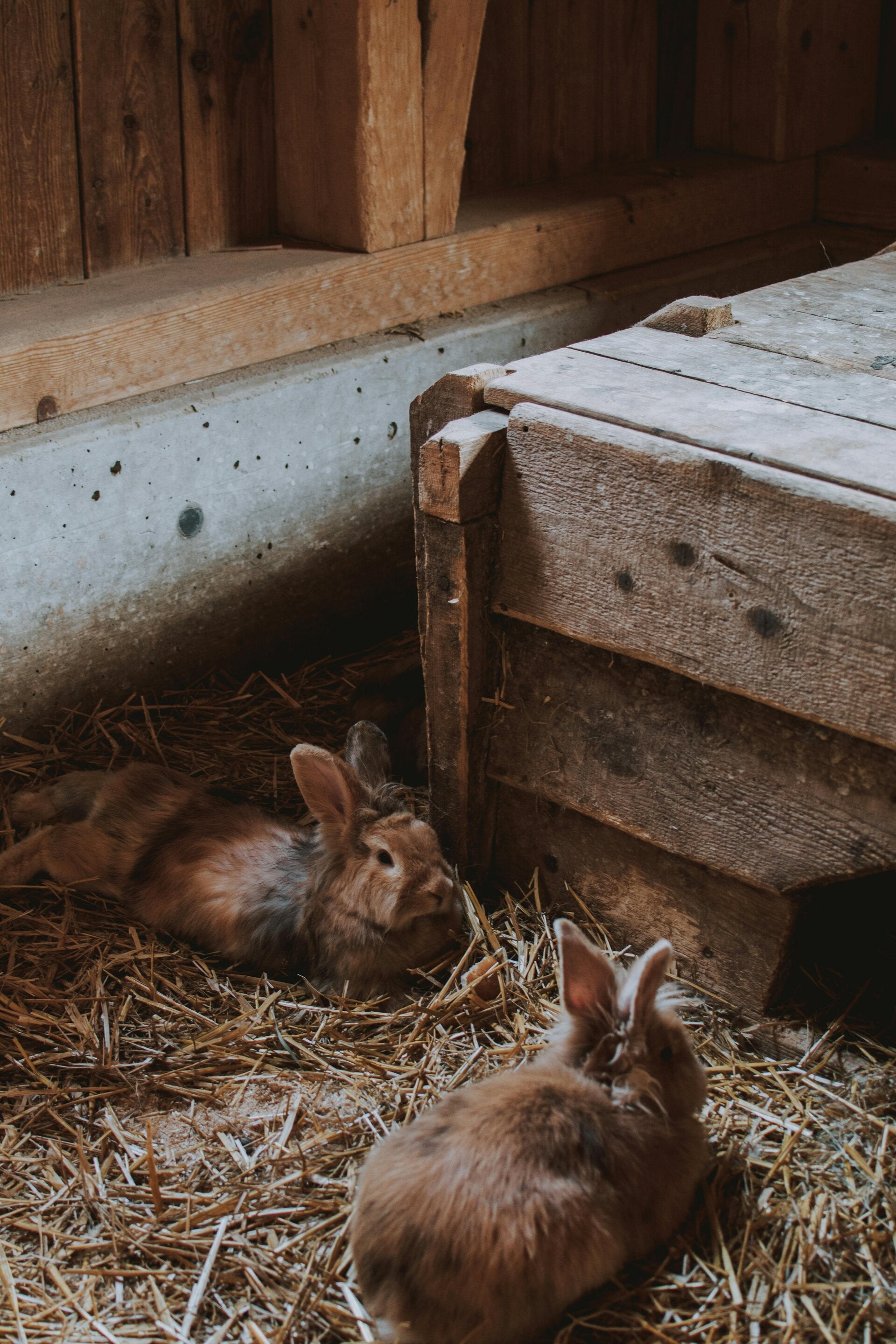
Keep hay freely available, scattered on the floor, in racks, or even stuffed into toilet-paper tubes—however they’ll eat it is fine. Floor prefe rence is totally normal for bunnies RedditThe Bunny Lady.
Pellets: Supplement, Not a Staple
-
Pellets should be just a small part of the diet—around 5% to 10% of total intake Westley’s WorldThe Rabbit DoctorsPetco.
-
A typical guideline: ¼ cup per 5 lb (2.3 kg) adult rabbit per day, scaled down for smaller bunnies or growers. Growing bunnies can have slightly more, but not unlimited. Too much pellets? You risk obesity and tummy issues PetcoBest Friends Animal Society.
-
Choose quality pellets: high fibre, timothy-based (for adults), avoid mixes with seeds, nuts, or dried corn Best Friends Animal SocietyThe Spruce Pets.
-
Let them nibble their portion for about 10–15 minutes, then remove any leftovers—it prevents overeating Westley’s World.
Fresh Veg? Go for Variety, but Start Slow
-
Veggies should sit around 10–15% of the diet for growing rabbits The Rabbit DoctorsPetco.
-
Introduce new greens gradually, one at a time, starting with parsley (lovely and rabbit-friendly!), cabbage, dandelion greens (pesticide-free)—watch for soft stools PetcoBest Friends Animal Society.
-
For tiny buns, start small—around 1 cup/day, increasing to 2 cups for larger rabbits Best Friends Animal Society.
Sample Daily Feeding Strategy
Here’s a friendly structure to follow:
-
All the hay they want—host it creatively, let them forage.
-
Pellet portion: measured, maybe 1–2 tablespoons per rabbit—based on weight. Let them munch it out, then top up only as needed.
-
Greens: about one handful each, slow introduction, rotate types.
-
Keep fresh water available at all times.
This keeps the diet balanced—hay base, pellet supplement, veggie for variety and vitamins.
Why This Matters: The Science Bit
-
Fiber-rich hay supports intestinal health—preventing GI stasis and aiding digestion Merck Veterinary ManualSan Diego House Rabbit Society.
-
High-calorie pellets too often cause obesity, dental issues, and even chronic diarrhea San Diego House Rabbit Society.
-
Variety of greens ensures vitamins, but too much too fast can upset sensitive tummies—so slow and steady wins the race Petco.
-
Free-feeding hay encourages natural foraging instincts, keeps them entertained and teeth ground down.

Final Thoughts
You’re absolutely not overfeeding—you’re smart enough to notice patterns and change what’s needed. Just shift focus onto hay, measure pellet portions carefully, and build veggie variety at a sensible pace. This approach will give those growing Mini Lops the healthiest, happiest start in life.
Add comment
Comments